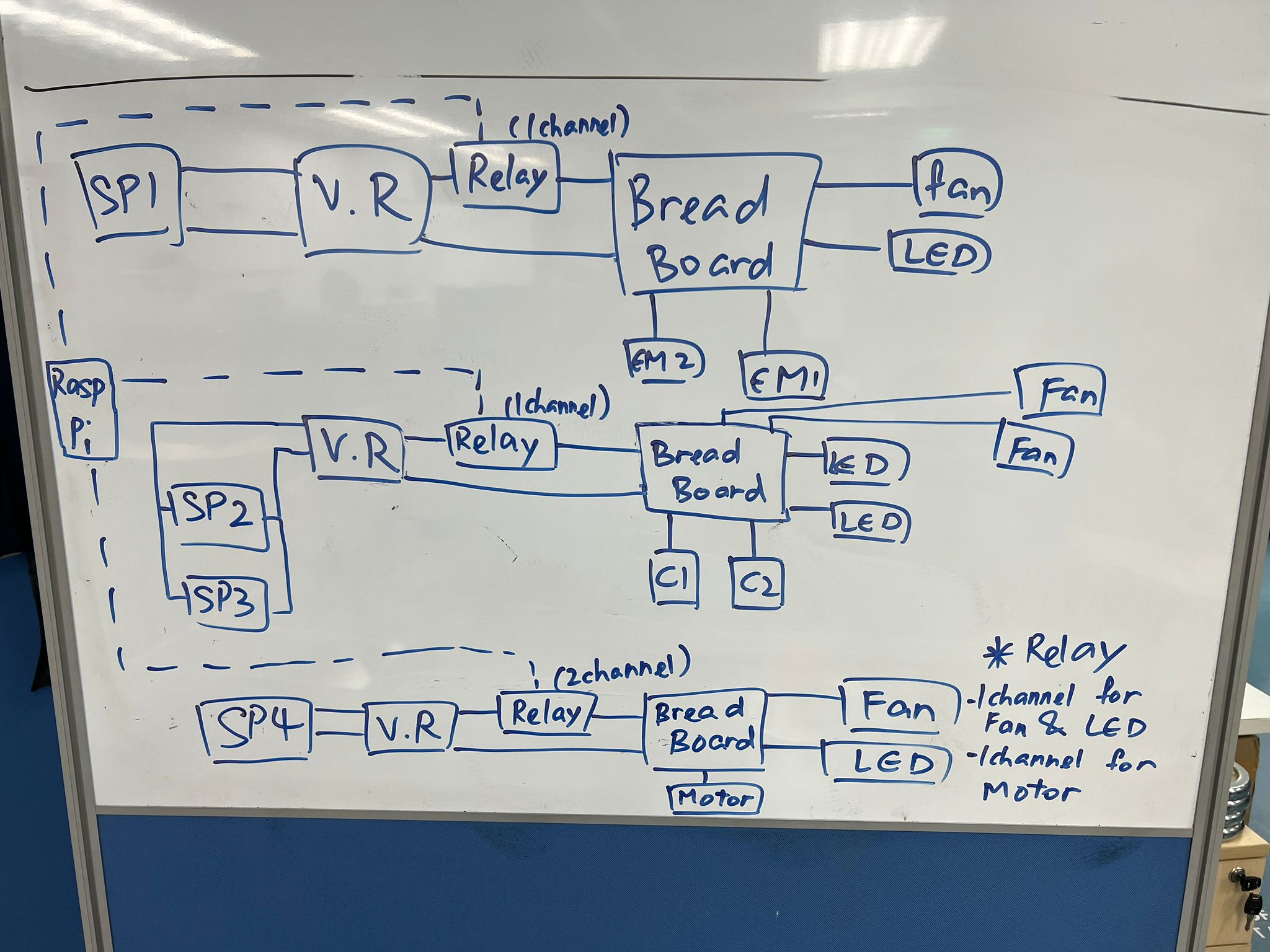
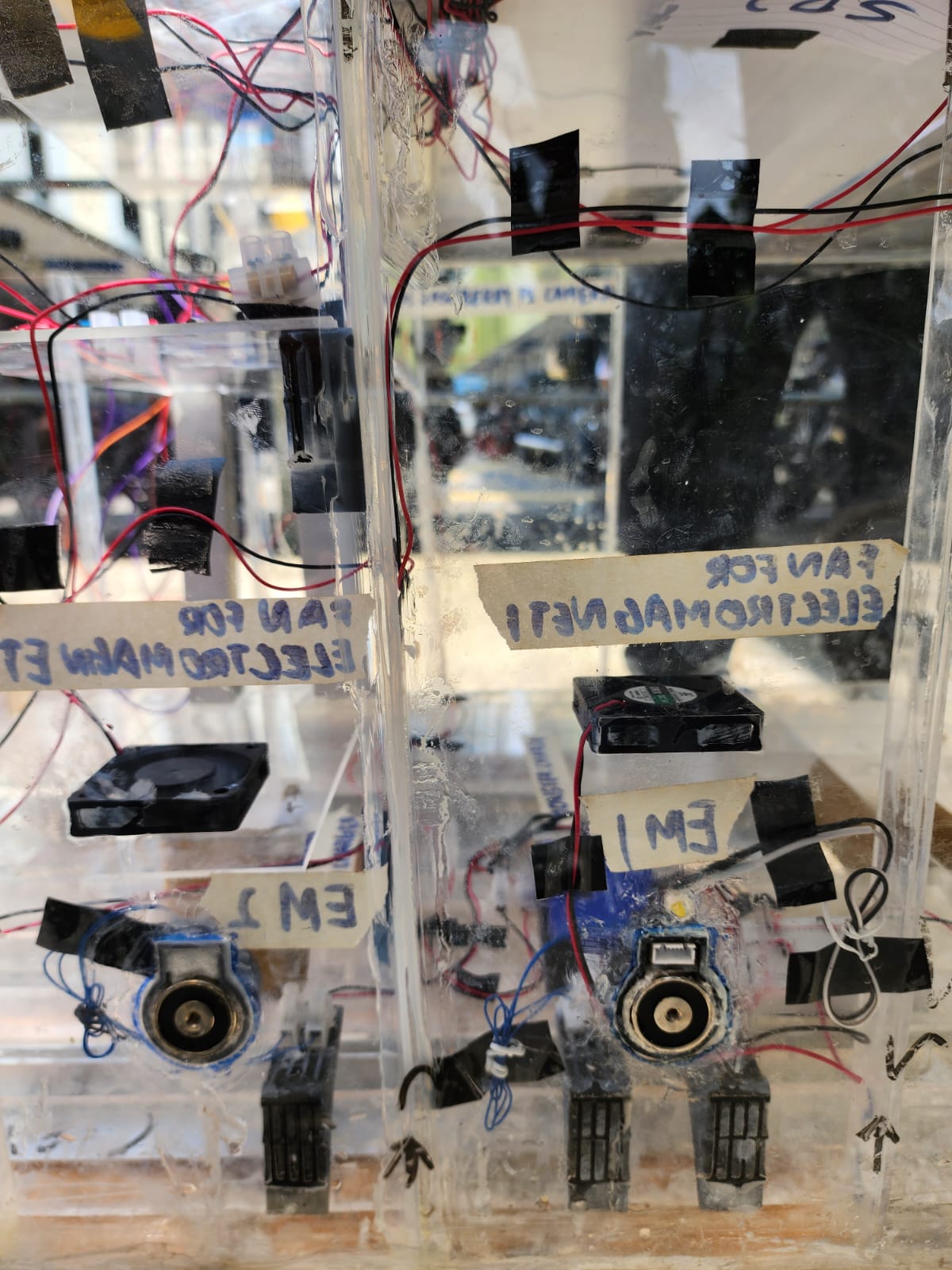

Final Year project — 'A look into the future of OSVs'. Built a proof-of-concept for offshore support vessel wireless charging, extending operational range through renewables. Using solar panels and wind turbines, the Renewable Energy Module (REM) harnesses energy from the environment to increase generation capacity for electrified vessels at sea.
The maritime industry produces significant carbon emissions annually through the usage of HFOs (Heavy Fuel Oils). Reducing these numbers helps limit global warming, preventing climate impacts like extreme weather, rising sea levels, and ecosystem collapse. Electrification of offshore support vessels represents one concrete pathway toward decarbonisation.
The project revolved around experimental research into the viability of electrification of offshore support vessels, utilising design thinking, engineering drawing, AutoCAD, 3D printing, laser cutting, and electrical circuitry. Conducted across three phases.
Phase 1: Ideation. Taking into consideration the emphasis on sustainability in the maritime industry, the team brainstormed and conducted a comprehensive literature review to understand current charging infrastructure and renewable power generation for harbour crafts.
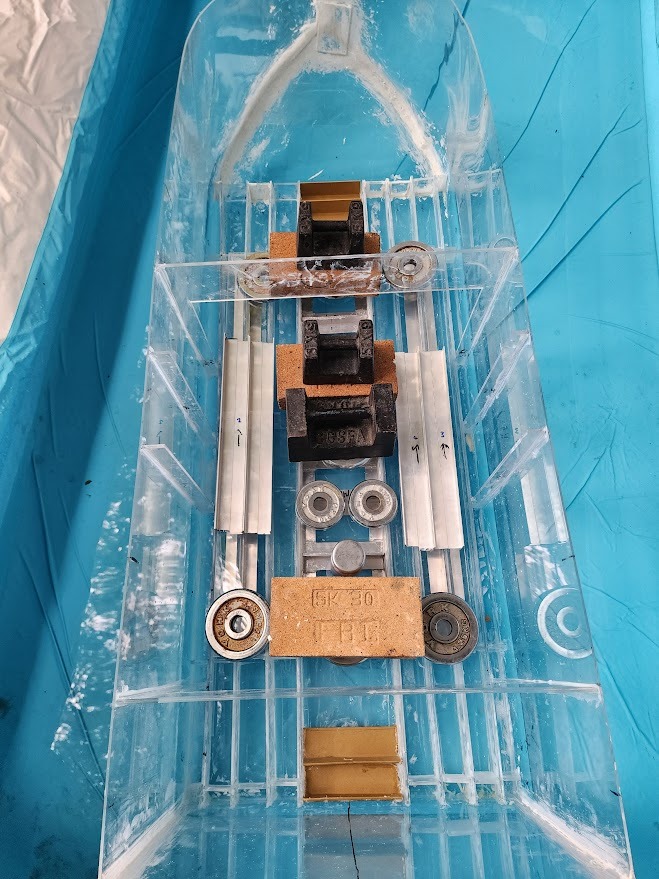
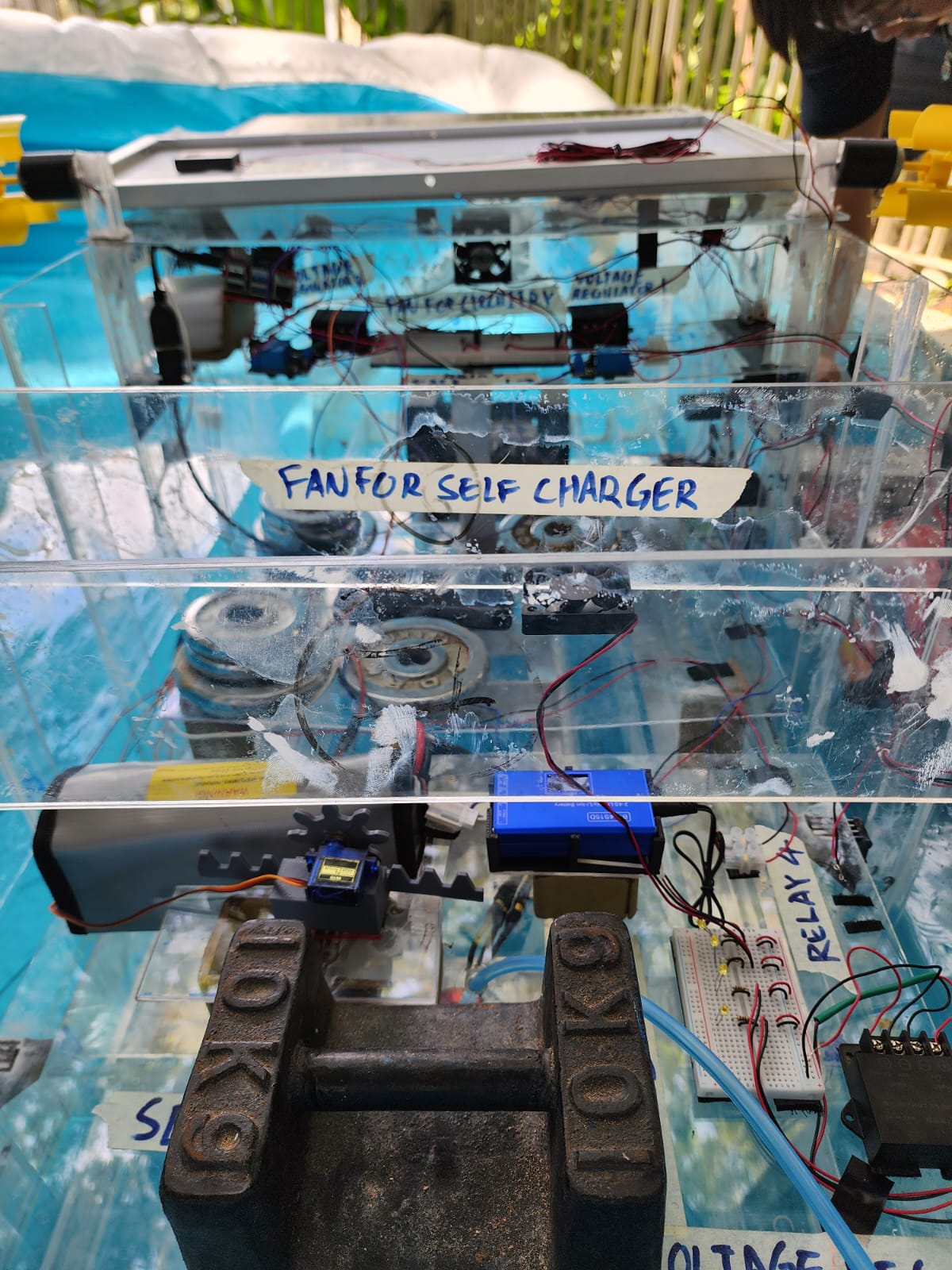
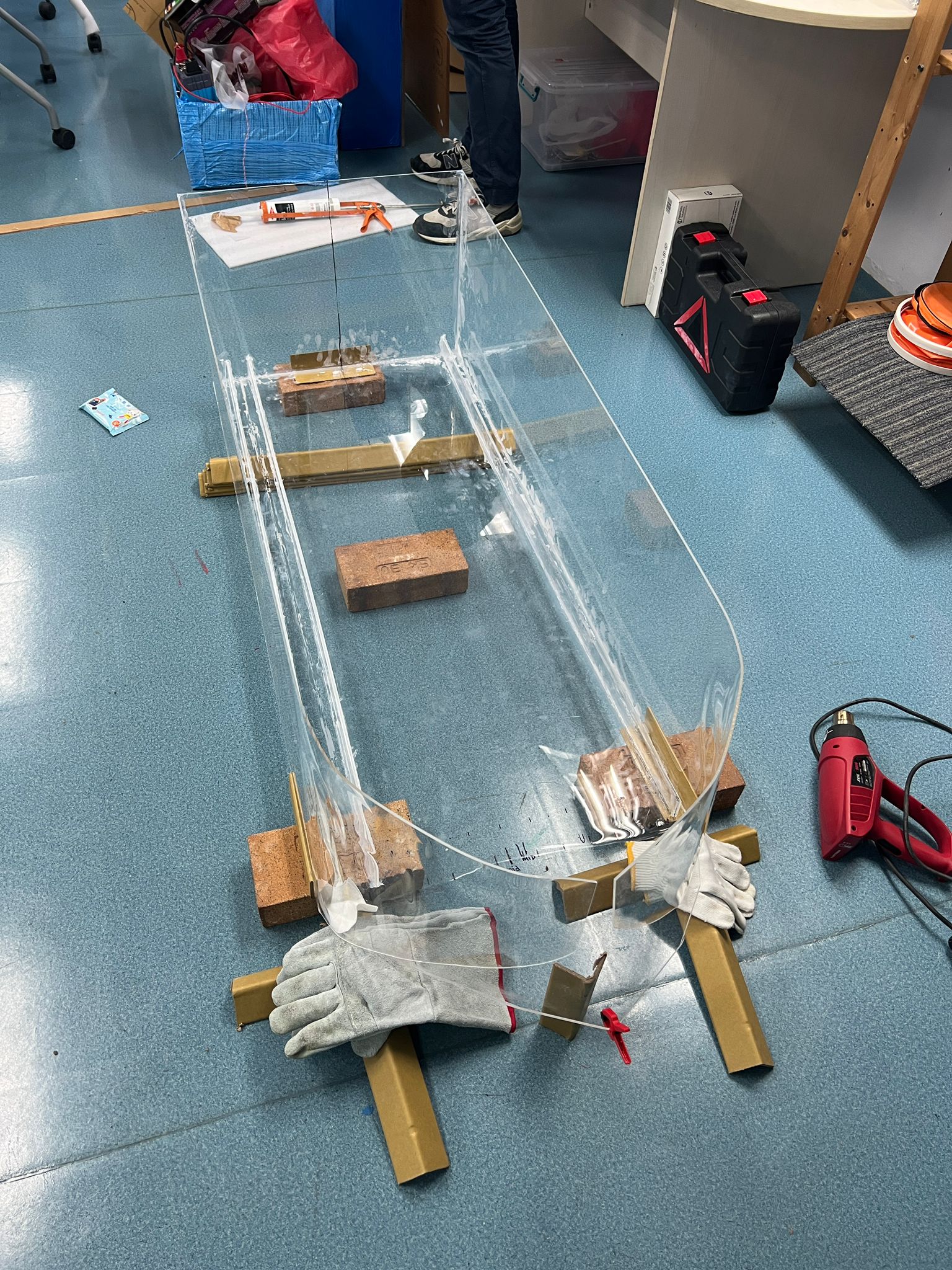
Phase 2: Prototyping. Development started with a sketch inspired by a box barge design. Using naval architecture to calculate scale, the team fabricated in acrylic for familiarity, with connections created via 3D printing and logic processes operated through mini-computers.
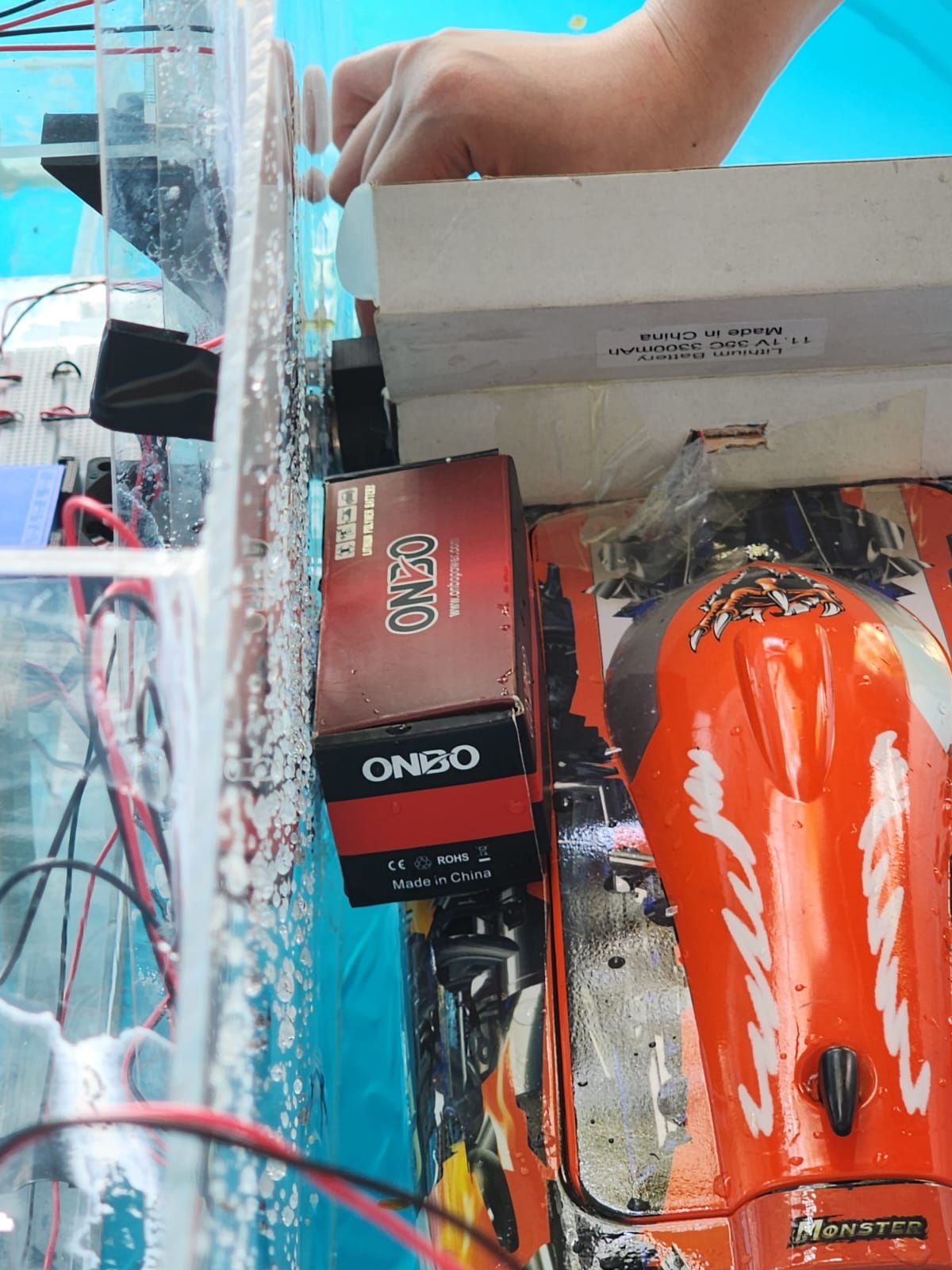
Phase 3: Testing. The team tested across multiple occasions — charging capabilities, electrical operations, component fitting — and logged every result. Completing research on the build's capability to charge and operate in a scaled-down scenario.
In conclusion, within the maritime industry, sustainable and eco-friendly solutions are highly emphasised — not only to decarbonise, but to preserve the environments we enjoy today for future generations. This prototype is an interesting take on the possibilities of electrification, merging offshore renewable energy with the maritime sector.
Full project report available — covers naval architecture calculations, circuit schematics, and test results.
View Report